 United States

Vape Product Registries in 2026: What State Vape Directories Mean for You
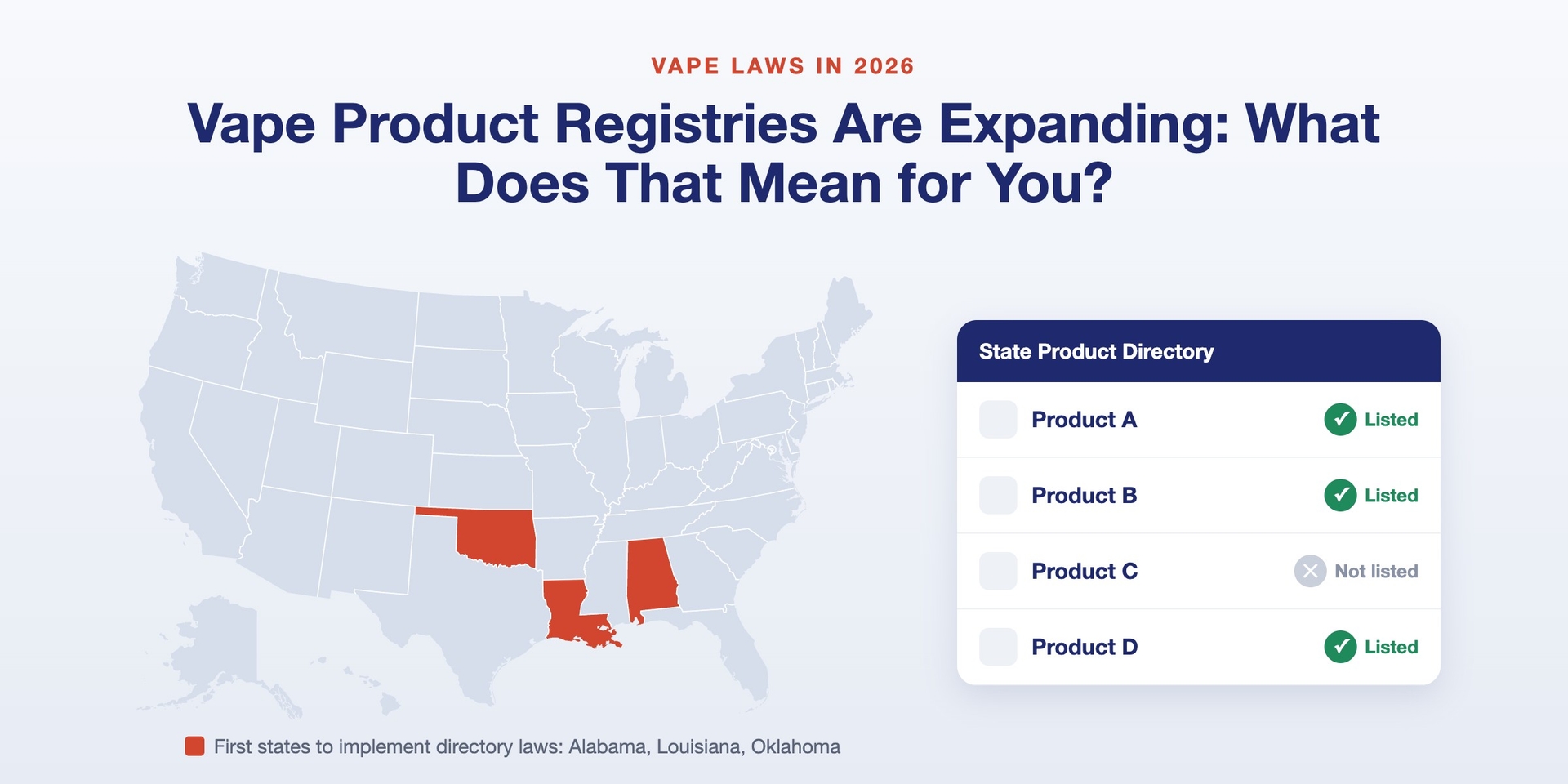
Quick answer: A vape product registry (or e-cigarette directory) is a state-run list of vape products that retailers may sell in that state. As of June 2026, 16 states had enacted these laws. Being on a state list is not the same as FDA authorization; the two are checked separately.
What Is a Vape Product Registry?
If you shop for vape products online, you may eventually notice something confusing:
A product available in one state may not be available in another.
These are state-managed lists that identify which vape or e-cigarette products can legally be sold under that state’s rules.
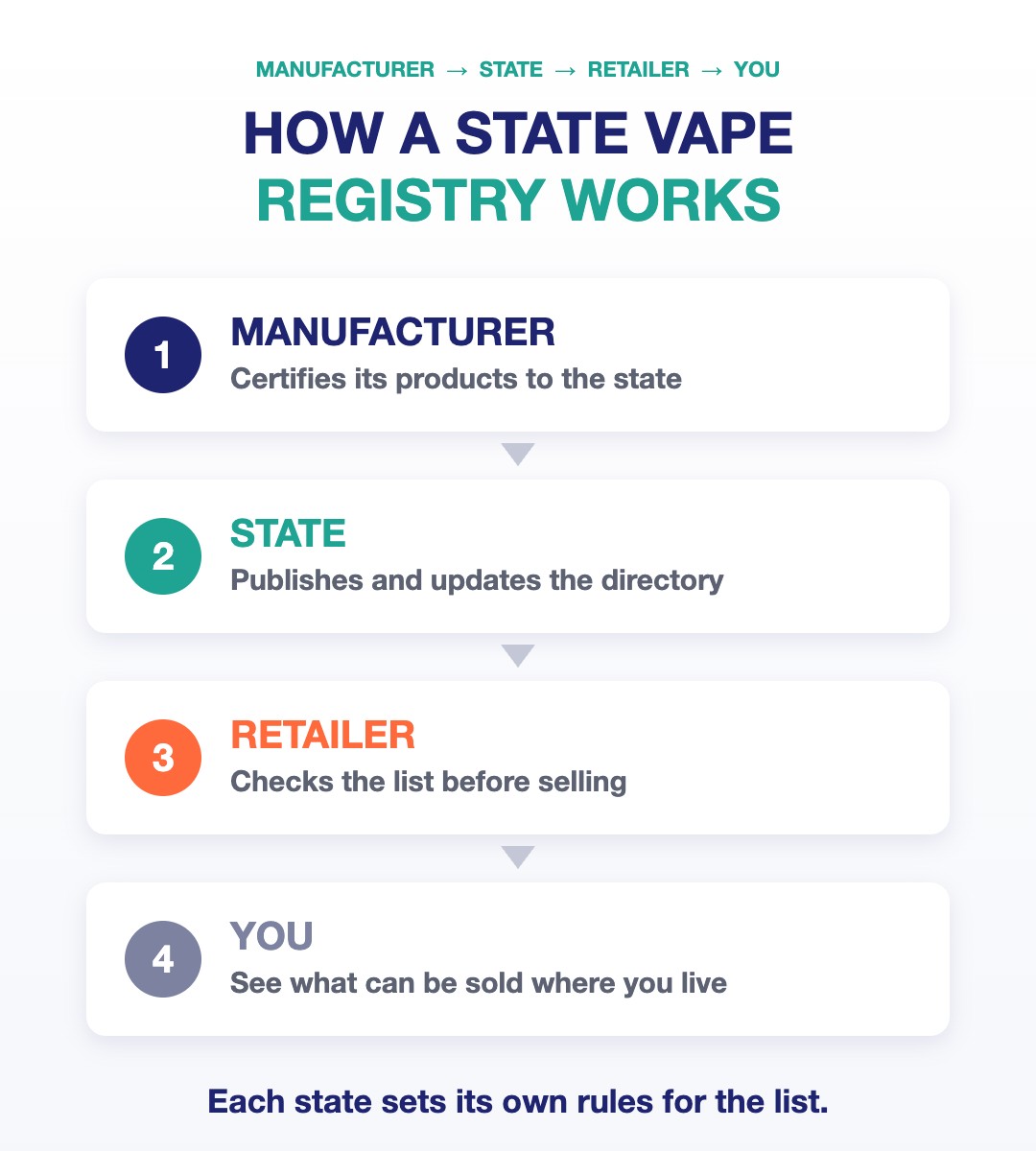
Manufacturers submit certifications and information about their products. The state creates or maintains a directory. Retailers may then be required to check that directory before offering a product for sale.
Louisiana, for example, states on its directory page that vapor and alternative-nicotine products cannot be offered for sale in the state unless they appear on its directory and meet the other requirements of state law. The directory is updated as certifications change.
Why Are More States Creating Vape Product Directories?
States are using registries as another way to decide which e-cigarette products can be sold within their borders.
The Public Health Law Center describes most of these laws as state-run directories containing products that can legally be sold in that state. Manufacturers generally have to certify information tied to the product’s federal premarket tobacco product application, or PMTA, status.
That matters because there is not one national vape registry with one set of rules.
A state may set its own:
- certification requirements
- product definitions
- application fees
- renewal requirements
- enforcement dates
- penalties
- procedures for adding or removing products
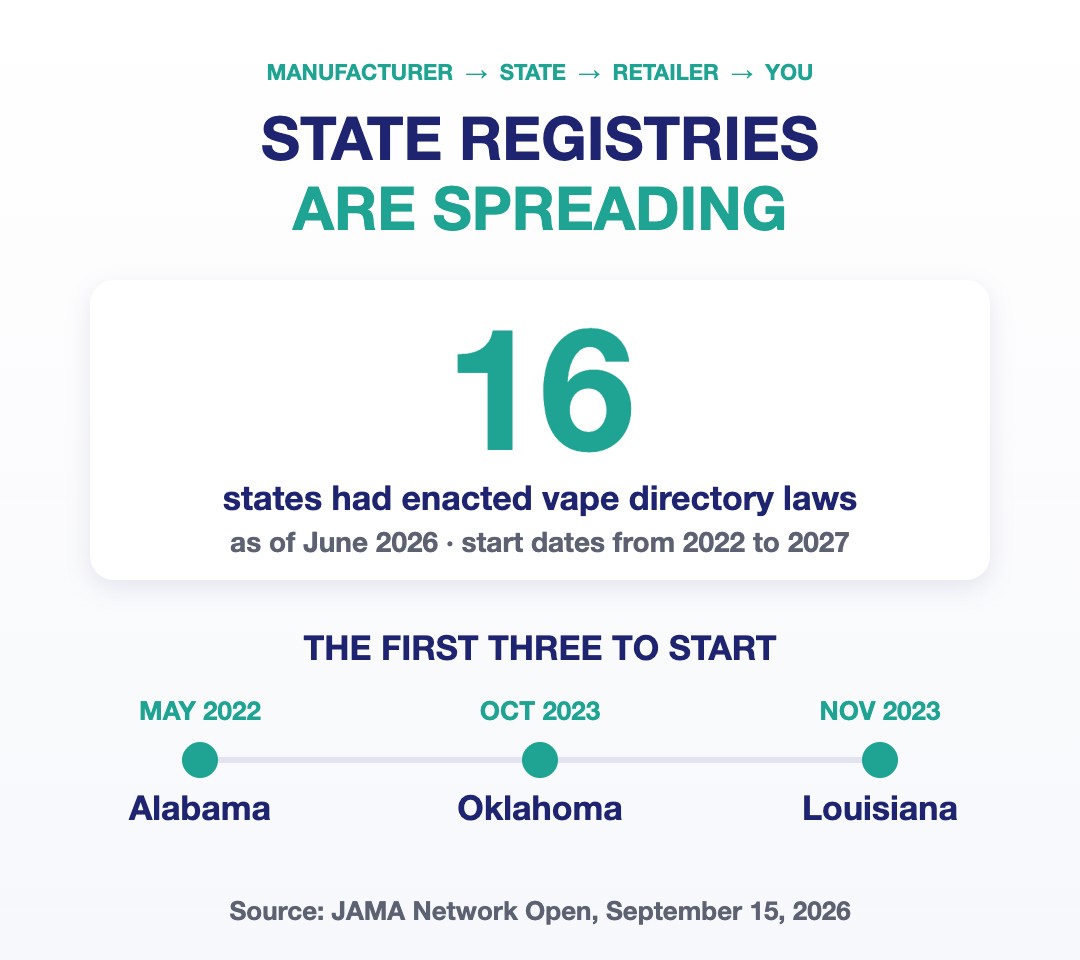
The September 2026 JAMA Network Open study on these laws noted substantial differences among Alabama, Oklahoma, and Louisiana — the first three states to implement directory systems.
If you want the wider regulatory background first, our guide to how U.S. vape regulations are changing in 2026 explains the federal side in simpler terms.
Does a State Vape Registry Mean a Product Is FDA Authorized?
No — and this is probably the most important distinction in the article.
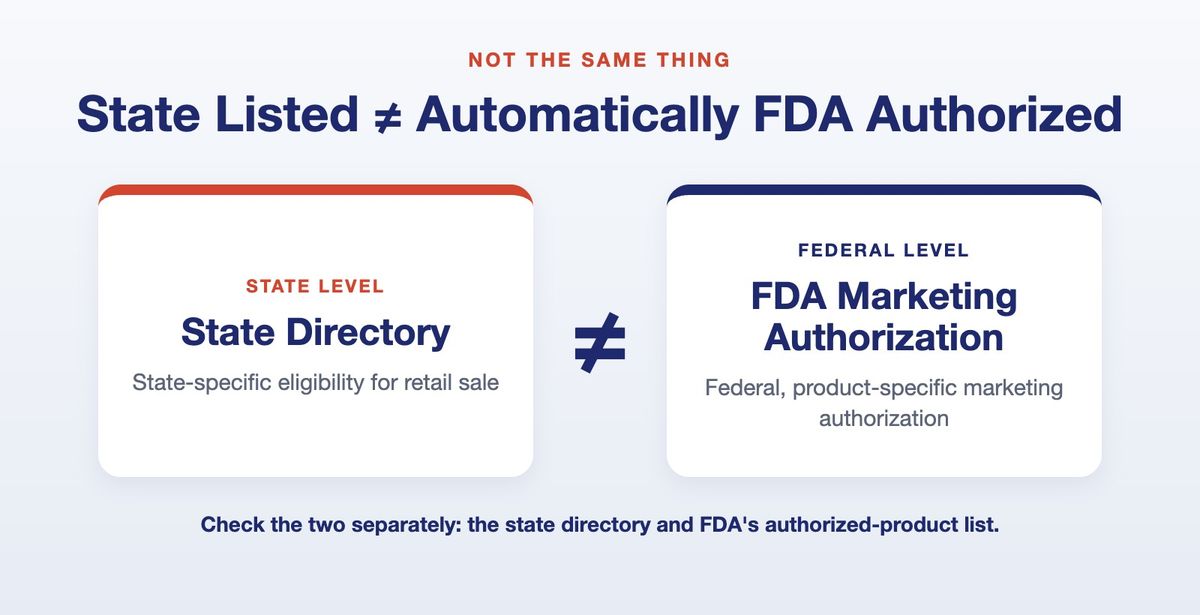
A product appearing on a state directory does not automatically mean FDA has issued a marketing authorization for that product.
State eligibility rules can include more than one regulatory pathway.
For example, Alabama requires manufacturers to certify certain information related to their PMTA status. Its directory rules can include products that received a marketing order, as well as certain products with qualifying applications or review status under the state’s criteria.
Louisiana similarly describes several possible pathways for directory inclusion, including certain products with pending federal applications or other qualifying regulatory circumstances.
So “this product appears on a state directory” and “FDA has authorized this product for marketing” are not the same statement.
FDA currently maintains its own federal list of authorized e-cigarette products. As of October 2026, that list contains 48 authorized e-cigarettes, and FDA states that marketing authorization does not mean a product is safe or “FDA approved”.
We explained this same distinction in our article about what the JUUL2 FDA authorization means for adult shoppers. FDA authorized the JUUL2 device and two specific JUUL2 pod products in August — not every product under the brand.
State Listed ≠ Automatically FDA Authorized
Can a Vape Registry Change What You Can Buy?
Yes.
Depending on the state, retailers may be restricted to selling products that appear on that state’s directory.
That can create situations where:
- a product remains available in one state but not another;
- a previously available product becomes unavailable after a directory update;
- a new product cannot immediately be offered in every location;
- online availability differs depending on the shipping destination;
- retailers have to remove products when directory status changes.
Louisiana tells retailers to monitor its directory because listings can change, and only products appearing on the directory may be offered for sale under the state program.
Alabama likewise says its directory is updated as necessary to add or remove manufacturers and products.
So if a vape you previously purchased becomes unavailable, that does not necessarily mean the product disappeared everywhere.
It could be:
- out of stock;
- discontinued;
- affected by shipping restrictions;
- affected by state or local law;
- or no longer eligible for sale under a particular state directory.
Understand Today’s Vape Rules Before You Shop
How Many States Have Vape Product Registries in 2026?
The number has been growing.
According to the September 2026 JAMA Network Open study, 16 states had enacted e-cigarette directory laws as of June 2026, with implementation dates running from 2022 through 2027. Similar legislation had also been proposed elsewhere.
The Public Health Law Center maintains an interactive map showing states that have passed e-registry laws as well as states considering them.
The landscape is still changing: some laws are already in force, others take effect later, some have been challenged in court, and states keep updating their requirements. So treat today’s count as a snapshot, not a final number.
What Did the New 2026 Study Find?
A study published September 15, 2026, in JAMA Network Open examined e-cigarette sales and product availability in Alabama, Oklahoma, and Louisiana, the first three states to implement directory laws.
The researchers compared those states with synthetic controls to estimate what might have happened without the directory laws.
Alabama and Oklahoma
The researchers found no statistically significant association between implementation of the directory and overall e-cigarette nicotine sales or product availability in Alabama or Oklahoma.
Louisiana
Louisiana showed a different pattern.
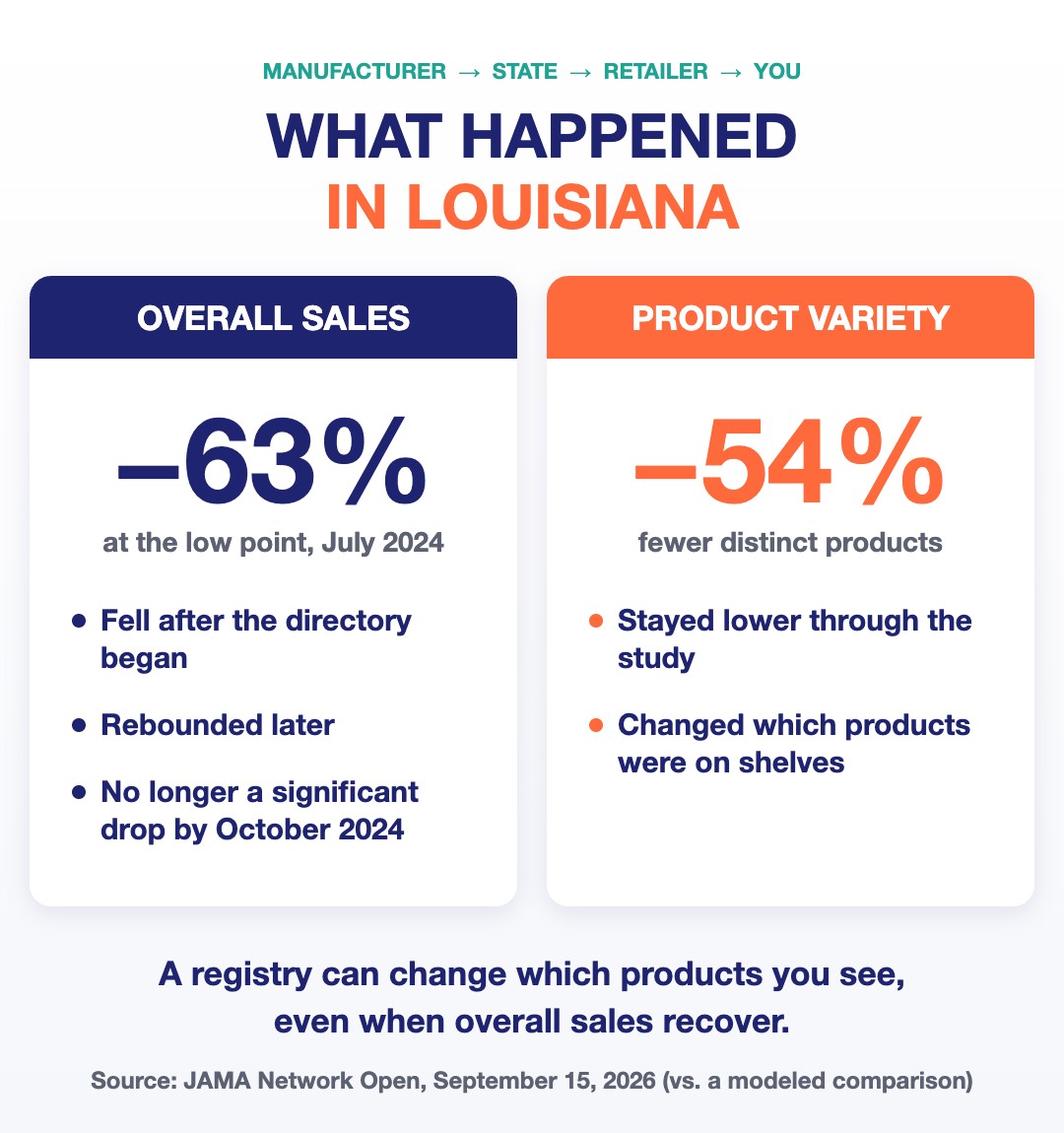
Overall sales fell after implementation, reaching their lowest point in July 2024, about eight months in. Sales then rebounded, and by October 2024 the drop was no longer statistically significant.
The researchers estimated a 53.55% reduction in the number of distinct e-cigarette products available relative to the synthetic comparison.
The study also found that, by the end of the observation period, more than half of sales in each of the three states involved products that were not listed on the relevant directory.
The researchers concluded that the first directory laws did not appear to produce sustained declines in the sale of unauthorized flavored e-cigarettes.
For shoppers, though, one finding is especially relevant:
A registry can affect which specific products appear in the market even when overall vape sales do not change much.
What the Study Can and Can’t Tell Us
The study covered only three early-adopting states and relied on retail scanner data, which the researchers note does not capture every online retailer or tobacco specialty store. Alabama, Louisiana and Oklahoma also differ in their definitions, certification rules, fees, enforcement and covered products.
So the findings are useful early evidence, but they don’t prove that every current or future state registry will have the same effect.
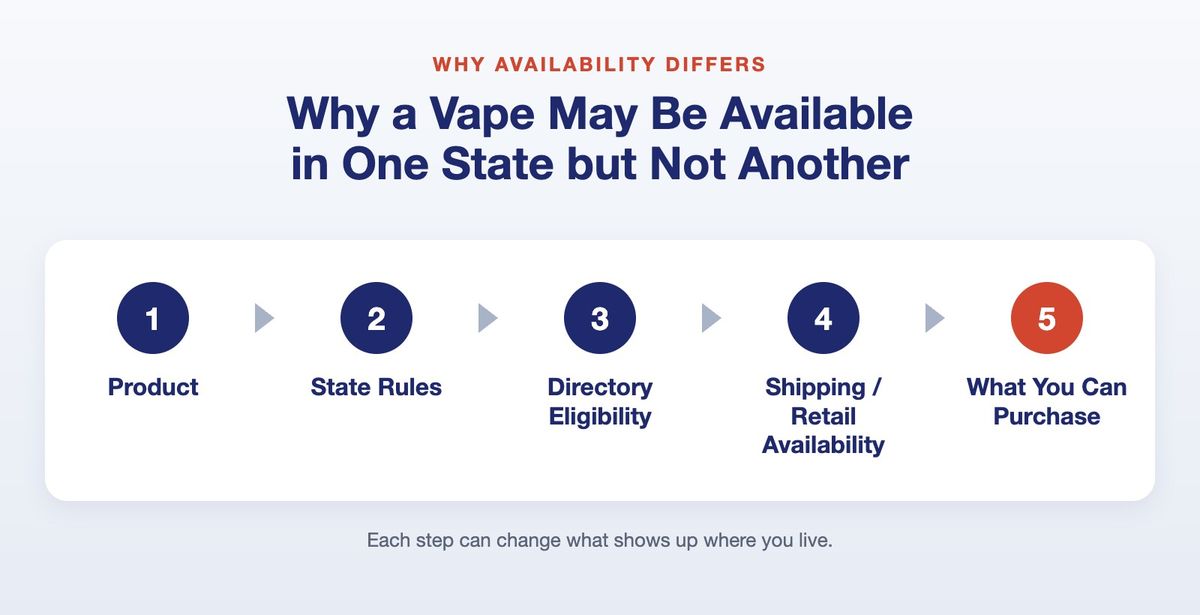
Why Can a Product Be Listed in One State but Not Another?
Take Alabama as an example.
Its Department of Revenue requires e-liquid and alternative-nicotine product manufacturers to submit certification tied to federal application or marketing status, and the state publishes a directory of manufacturers and certified products.
Louisiana has its own directory, submission requirements, update process, and eligibility rules.
The JAMA researchers also noted that the states define e-cigarette products differently.
At the time studied:
- Alabama’s law covered tobacco-derived nicotine products under its relevant definition;
- Louisiana’s directory applied more broadly to e-cigarettes regardless of the substance;
- Oklahoma’s directory framework operated under a different statutory structure.
That means a product’s eligibility is not always determined by one national checklist.
What Is the Difference Between State Rules and FDA Rules?
Federal Level
FDA regulates tobacco-product marketing at the federal level through pathways including the PMTA process.
FDA maintains a list of e-cigarettes that have received marketing authorization.
State Level
Individual states can impose additional requirements affecting which products may be sold within that state.
A state directory is one example.
Other state or local rules can involve:
- flavors;
- taxes;
- licensing;
- shipping;
- age verification;
- retail location;
- product registration.
This is why federal authorization does not automatically answer every question about whether a product can be sold in every state.
The two systems should be checked separately.
What Should You Check Before Ordering a Vape Online?
You should not have to memorize 50 sets of state rules just to place an order.
Before ordering, it is worth checking a few basics:
- Is the product currently available?
- Can the retailer ship it to your state?
- Are there state or local restrictions affecting the product?
- If regulatory status matters to you, are you looking at the state directory or FDA’s federal authorization list?
- Has the product recently changed availability?
Our Helpful Product Information hub can also help when you are comparing product types, nicotine formats, hardware, and related vape terminology.
It is simply to recognize that availability now depends on more than inventory alone.
What Does This Mean When You Shop With Flawless?
For us, the practical issue is keeping the shopping experience as clear as possible while the rules continue to change.
Product availability can depend on:
- inventory;
- manufacturer status;
- shipping rules;
- federal requirements;
- state requirements;
- and, increasingly, state product directories.
If one product is unavailable, another device, pod format, strength, or compatible option may still fit what you are looking for.
A Few Formats You Can Compare at Flawless
If one product is not available where you live, a different device, pod format, or disposable may still fit your routine. Here are a few current options to compare:
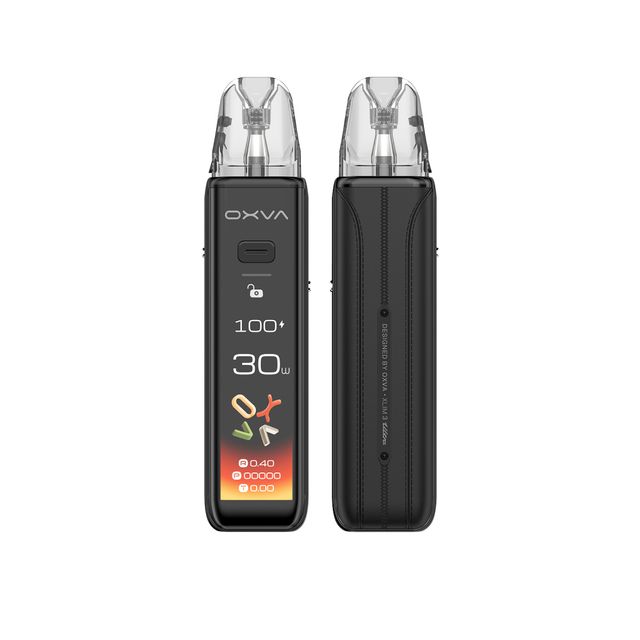
Pod system, currently listed at Flawless Vape Shop
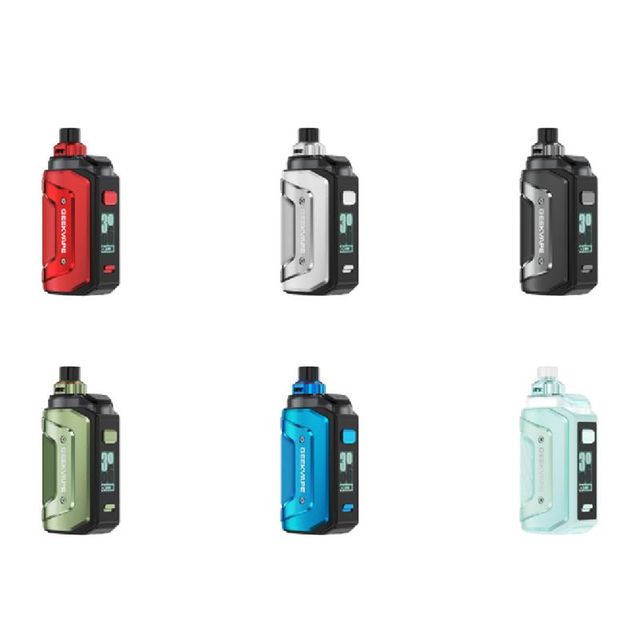
Pod system, currently listed at Flawless Vape Shop
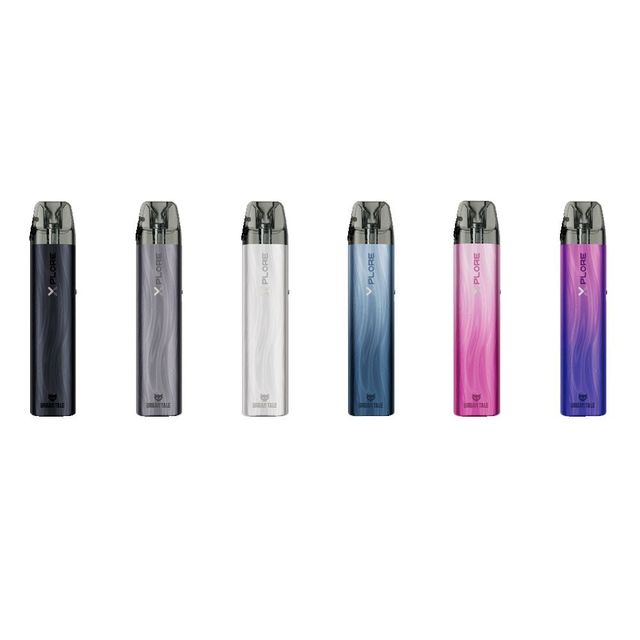
Pod system, currently listed at Flawless Vape Shop
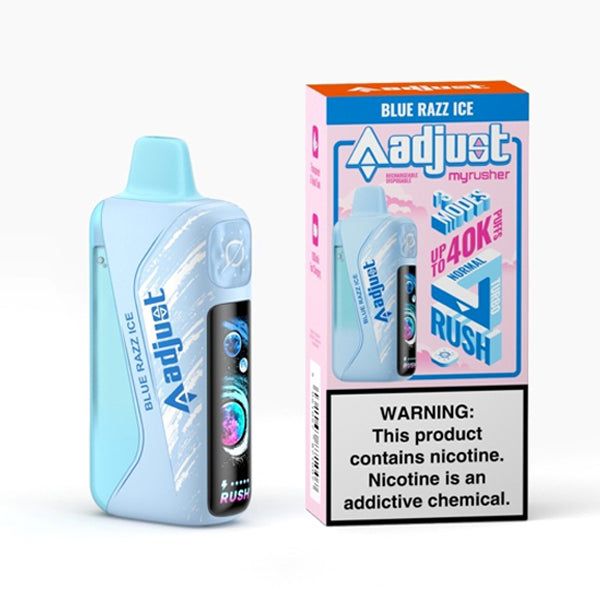
Disposable, currently listed at Flawless Vape Shop
Availability can vary by variant and shipping destination, so check the current listing before you order.
Find a Vape That Fits Your Routine
Frequently Asked Questions
What is a vape product registry?
It is a state-managed list of vape products that may be sold in that state. Manufacturers certify their products, the state publishes the directory, and retailers check it before selling.
Does being on a state registry mean a vape is FDA authorized?
No. State rules can include products that are still under FDA review. FDA authorization is a separate, federal decision made product by product.
How many states have vape registries?
A September 2026 study in JAMA Network Open counted 16 states with directory laws as of June 2026, with start dates from 2022 to 2027. More states are considering them.
Why can’t I buy a vape in my state that’s sold elsewhere?
Your state may require products to appear on its directory, or have other sales or shipping rules. A product can be listed in one state and not another.
Vape Registries Are Growing — But They Are Only One Part of Availability
State vape directories are becoming a bigger part of how e-cigarette products are regulated in the U.S.
For adult shoppers, the biggest takeaway is not that every state is suddenly banning the same products.
It is that where you live can increasingly affect which specific vape products retailers are allowed to offer you.
As these systems continue to expand, the simplest approach is to check what is currently available, confirm that it can be sold or shipped where you live, and use official state or federal resources whenever you need to verify regulatory status.
Related Flawless Guides
- US Vape Regulations in 2026: Can You Still Buy Vape Products?
- JUUL2 Is FDA-Authorized: What Adult Vape Shoppers Should Know
- Pod System vs Disposable Vape: Which Fits You Better in 2026?
- What Does 100K Puffs Mean? Puff Count vs E-Liquid (mL) Explained
- Helpful Product Information
Content Sources
JAMA Network Open
E-Cigarette Directory Laws, Sales, and Product Availability From 3 Early-Adopting US States — published September 15, 2026. This is the primary source for the new study, the 16-state figure, and findings from Alabama, Oklahoma, and Louisiana.
Public Health Law Center
State E-Cigarette Registry Bill Map — used for broader state-registry context, how these directory systems generally work, and continuing legislative activity.
Alabama Department of Revenue
Electronic Nicotine Delivery System Manufacturers Directory — used as an official state example of manufacturer certification requirements, directory maintenance, and products certified for sale.
Louisiana Office of Alcohol and Tobacco Control
VAPE Directory & Information — used as an official example of a state that requires products to appear on its directory before they may be offered for sale.
U.S. Food and Drug Administration
Authorized E-Cigarettes — used to distinguish state-directory inclusion from federal marketing authorization. FDA currently lists 48 authorized e-cigarette products.
Flawless Vape Shop
US Vape Regulations in 2026: Can You Still Buy Vape Products? — our guide to the federal rules behind state registries.